 LevelZMOD
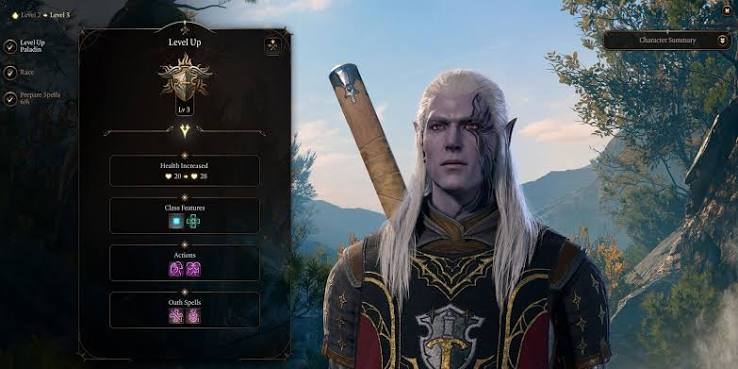
A class-based RPG may ask you to choose a class, unlock class features and follow a defined character path. LevelZ brings progression to Minecraft through player skills and access requirements. The shared word level does not make the two systems interchangeable.
This comparison helps players moving from a traditional RPG understand which assumptions to check before planning a LevelZ build. The picture is from a separate fantasy game and should not be mistaken for a Minecraft menu.
Compare the decisions, not the artwork
In a class-oriented game, a choice may define a package of abilities. In a Minecraft progression pack, the practical question can instead be whether you meet the requirements for a tool, item or activity.
The LevelZ developer overview describes skill-based unlocks and customisable restrictions. It does not establish the class panel shown in the supplied comparison image as a LevelZ feature.
Three useful distinctions
| Topic | What to check in a class-based RPG | What to check in your LevelZ pack |
|---|---|---|
| Build choice | The game's class and advancement rules | Available skills and active equipment requirements |
| New ability | A class feature or progression reward | Whether a mod, addon or pack rule supplies it |
| Respecialisation | The game's supported reset system | Whether your actual pack offers a documented reset |
This table is a comparison framework. Different RPGs and different packs can implement each topic differently.
Translate a role into practical equipment
Begin with the activity
If you enjoy playing a defender, list the protection and support items you want to use. If you prefer ranged play, list the equipment that makes that activity possible. Then inspect the requirements for those actual items.
This approach produces a usable goal without inventing a Paladin, Mage or Rogue class inside LevelZ. Another mod may add class-like features, but that must be verified separately.
Identify every dependency
A role may require more than a weapon. Repairs, ammunition, armor and support items can have their own requirements. Plan the complete set before investing heavily in one part.
Keep a fallback activity available while progressing. A character plan that depends on several inaccessible components can make the early game unnecessarily frustrating.
Treat skill points as decisions with consequences
Do not assume that points can be refunded because another RPG offers an easy reset. Inspect the rules of the current pack or ask the server administrator.
When unsure, choose a small testable improvement instead of spending toward a distant imagined ability. Confirm what changed in practice, then revise the next goal.
Compare builds through results
Two players can use different point allocations to reach similar practical outcomes. Compare the tasks they can perform and the equipment they can maintain, rather than only their overall level.
A numerical comparison without the server rules is incomplete. One pack may place a requirement on an item that another pack leaves available, making the same-looking build function differently.
Mistakes to avoid
Do not read another game's screenshot as proof of LevelZ features. Do not assume a themed weapon grants the class abilities associated with that theme. Do not apply a build guide from a different release without checking the requirements.
Also separate roleplay from mechanics. A player can choose to act as a healer or scout in a group even when no formal class system assigns that role. The available items determine what the role can accomplish mechanically.
Comparison questions
Can I play with an RPG-style role?
Yes, as a playstyle goal, provided your installed mods supply the needed equipment and mechanics.
Does LevelZ include the class menu in the image?
No evidence from that separate-game image supports such a claim.
How should I choose my next skill?
Identify the activity you want to improve and use the skills planning article to connect it with a reachable requirement.